About this Book
Synopsis
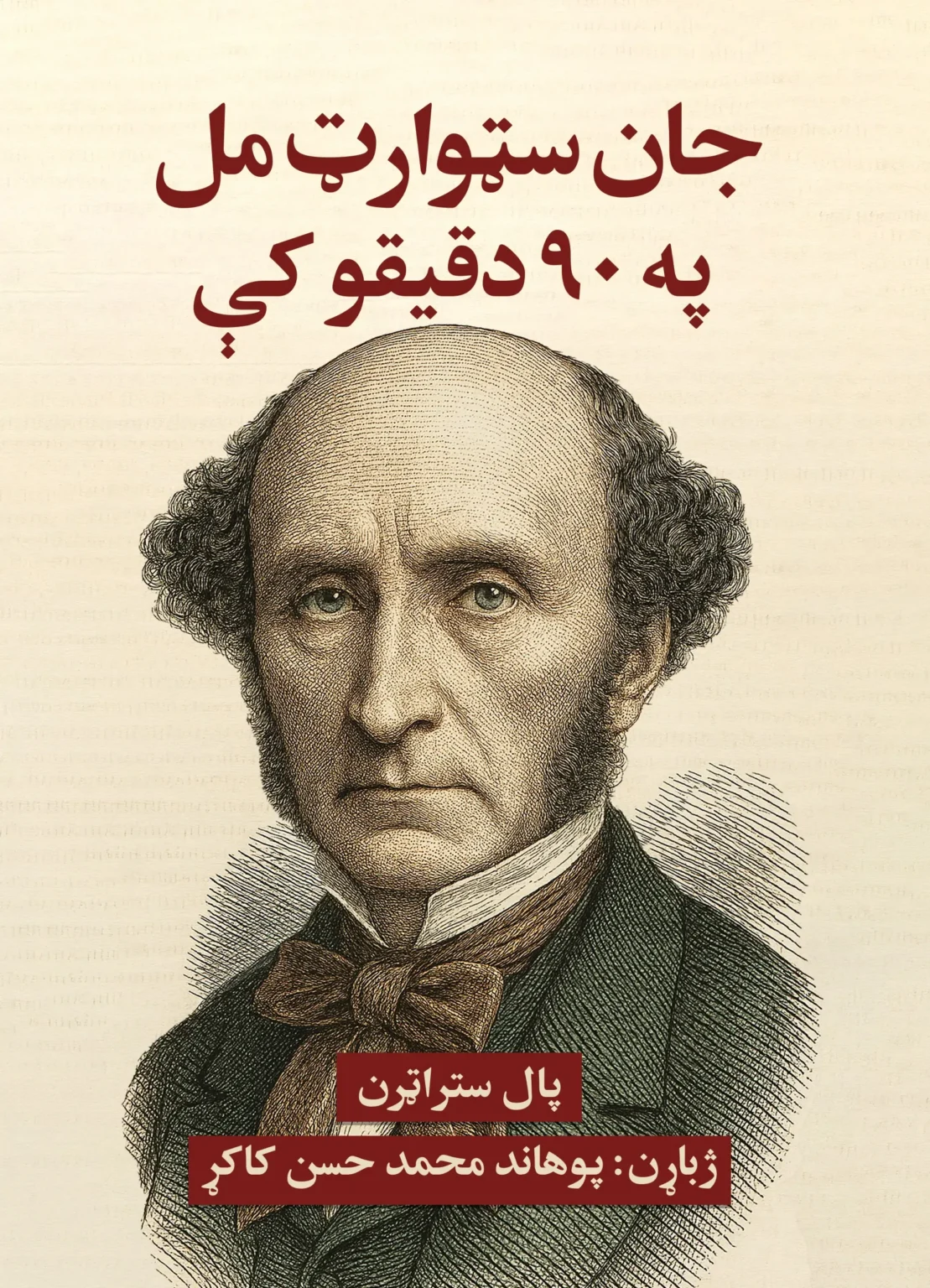
This concise booklet explores John Stuart Mill’s key ideas in liberalism, empiricism, and utilitarianism — explained simply yet deeply, with direct quotes from his works.
Drawing on primary sources and careful analysis, it remains essential reading for understanding the foundations of modern liberal thought.
Inside the Book
Table of Contents
An examination of the primary and secondary materials used in this study, including the unique challenges of researching Afghan history during and after the occupation. Pro. Kakar reflects on his own experience as both scholar and witness.
The political landscape of Afghanistan before Soviet intervention — the fall of the monarchy, the Daoud republic, and the factional struggles within the PDPA that set the stage for the 1978 Saur Revolution.
How the April 1978 coup brought the PDPA to power, and the series of radical policies — land reform, education decrees, and the assault on tribal and religious structures — that ignited popular resistance across the country.
A detailed account of Operation Storm-333, the assassination of Hafizullah Amin, and the night Soviet troops entered Kabul — the event that would define a generation and reorder Cold War alliances across the globe.
An analysis of the seven Peshawar-based resistance parties, the Shia groups based in Iran, and the internal tensions — tribal, ideological, and personal — that both strengthened and limited their effectiveness.
A province-by-province survey of the military conflict, drawing on testimonies from commanders, survivors of massacres, and archival records of Soviet operations including the Panjshir campaigns and the destruction of the Logar Valley.
The human geography of the war: how five million Afghans fled to Pakistan and Iran, and how the refugee camps of Peshawar and Quetta became centres of political organization, cultural preservation, and radicalization.
The Geneva Accords, the phased Soviet withdrawal, and the immediate aftermath of the war — including the survival of the Najibullah government and the geopolitical vacuum that followed the USSR's departure.
Pro. Kakar reflects on the enduring consequences of the Soviet war for Afghan society, the Islamic world, and global geopolitics — a meditation on history, justice, and the resilience of a people who refused to be erased.
Academic Use
How to Cite?
Prof. Mohammad Hassan Kakar. د جان سټیورټ میل په ۹۰ دقیقو کې. UC Press / Kakar Foundation, 1995.


